Categories

Get Answers to Common Questions
Have a question? We’ve got you covered. Browse through our frequently asked questions to find quick solutions and helpful advice on our products and services.
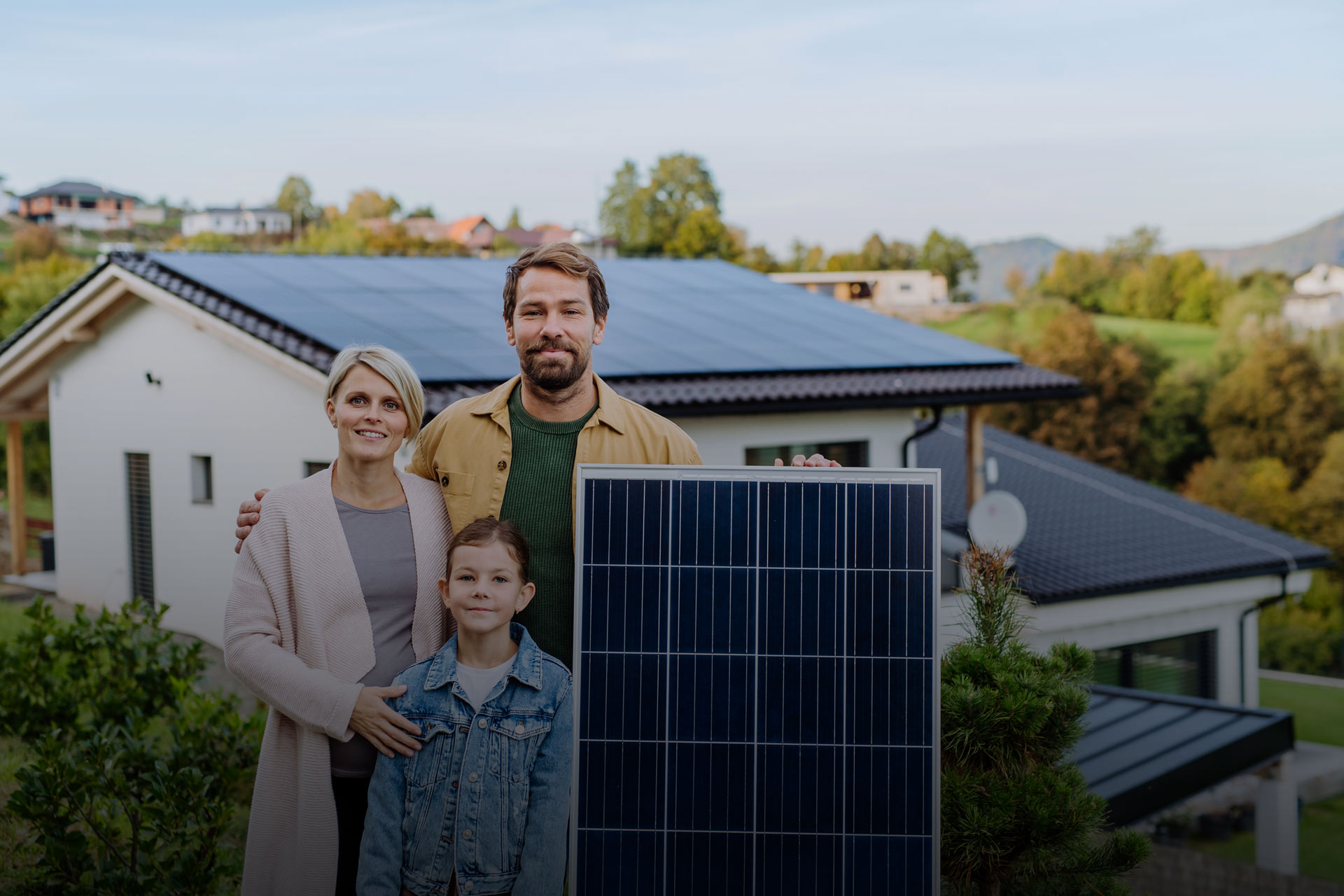
A solar power system converts sunlight into electricity using photovoltaic (PV) panels. These systems can power homes, businesses, and even large-scale industrial operations.
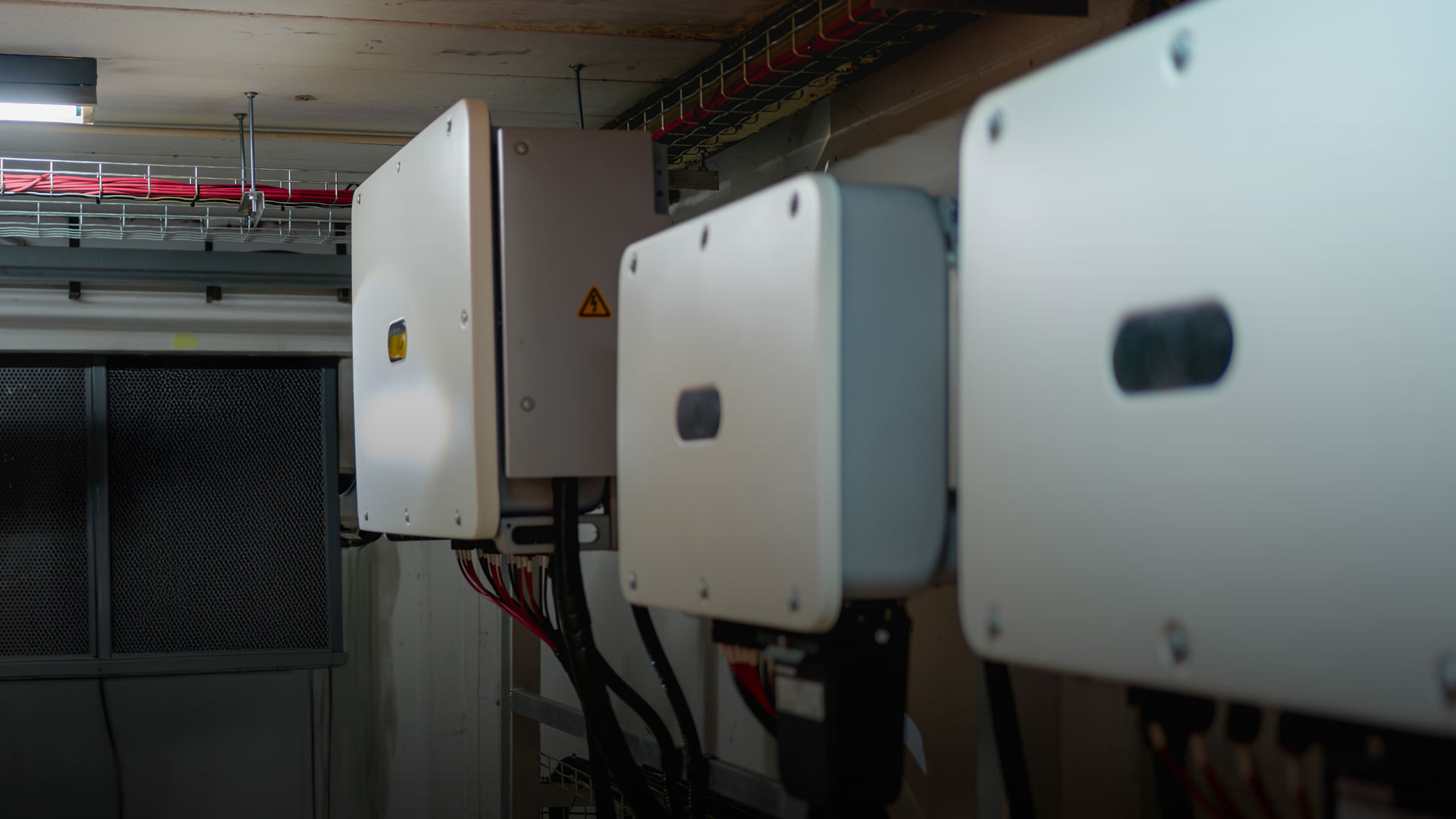
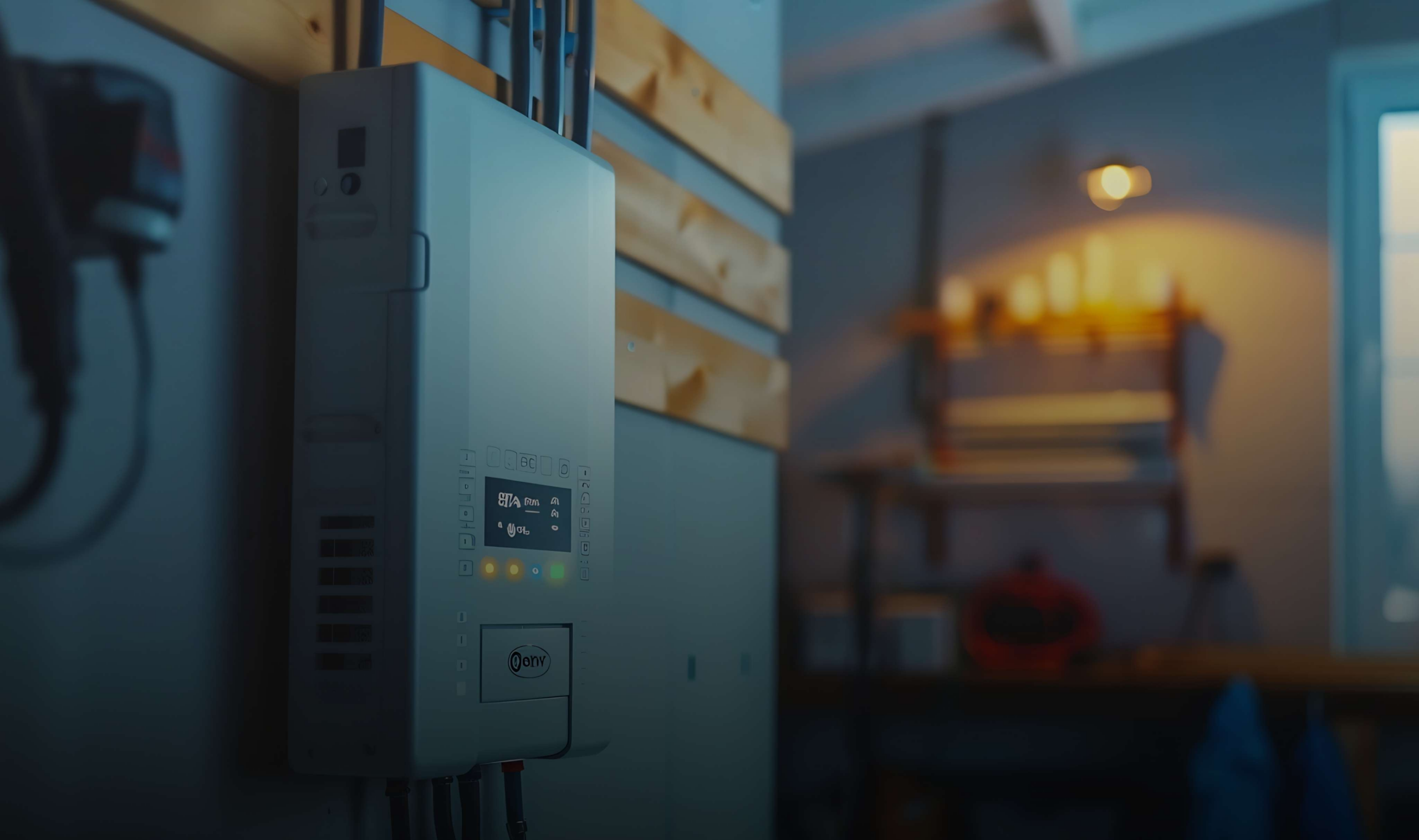
Solar panels are made up of many solar cells that absorb sunlight and convert it into direct current (DC) electricity. An inverter then converts this DC electricity into alternating current (AC) electricity, which can be used to power your home or business.
Benefits include reduced electricity bills, lower carbon footprint, increased property value, and potential tax incentives or rebates.
The cost varies depending on the size of the system, location, and specific energy needs.
Most solar panels come with a warranty of 25-30 years, but they can last even longer with proper maintenance.
Yes, solar panels can still generate electricity on cloudy or rainy days, although their efficiency may be reduced compared to sunny days.
Solar power systems require minimal maintenance. Regular cleaning of the panels and periodic inspections to ensure all components are functioning properly are usually sufficient.
While some DIY kits are available, it is generally recommended to have a professional install your solar power system to ensure it is safe and efficient.
Savings depend on your energy consumption, the size of your solar power system, and local electricity rates. Many users see a significant reduction in their electricity bills.
Many governments offer incentives such as tax credits, rebates, and grants to encourage the adoption of solar power. Check with your local government for specific programs available in your area.